✔ Don’t Eat Too MuchMore than 50 g per day can lead to weight gain, bloating, and digestive discomfort due to their high calorie and fat content
✔ Avoid Eating Peanuts on an Empty StomachBecause they are oily, peanuts may trigger stomach cramps or discomfort when eaten before a meal.
✔ Never Eat Moldy PeanutsMoldy peanuts may contain aflatoxin, a dangerous carcinogenic substance. Always check them before eating.
✔ Be Cautious if You Use Blood ThinnersVitamin E, present in peanuts, may interfere with blood clotting and interact with anticoagulant medications.Who Should Avoid Peanuts?1.
People With Peanut AllergiesPeanut allergy is one of the most serious food allergies. Even tiny amounts can cause:Hives and itchingThroat swelling and breathing difficultyDrop in blood pressureDizzinessLife-threatening anaphylactic shockAnyone with a known allergy must completely eliminate peanuts from their diet.
2. Individuals With Gout or High Uric AcidAlthough peanuts contain fewer purines than red meat, they still provide plant proteins that may raise uric acid levels.Small amounts are usually safe—but never during a gout attack.
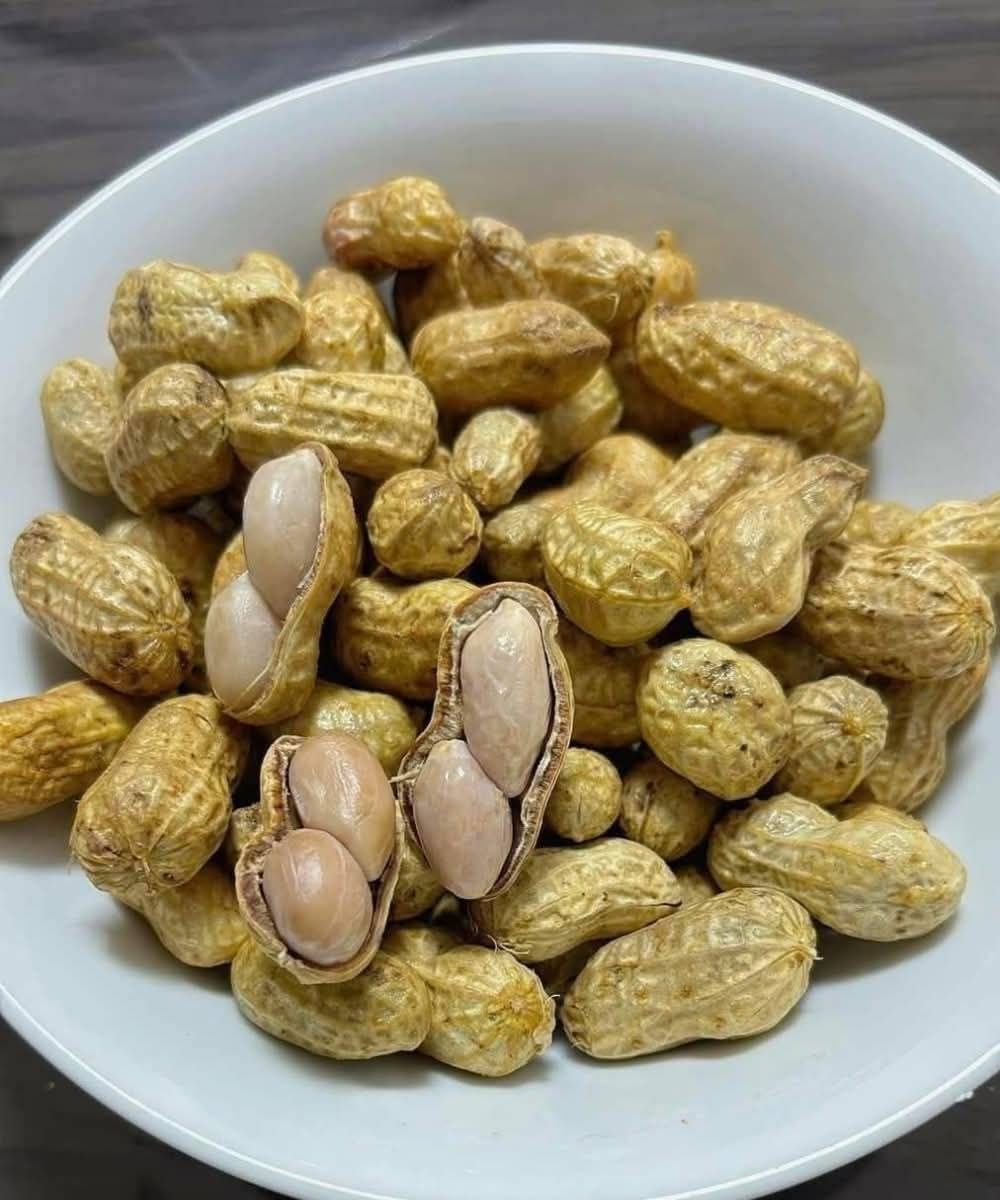
3. People With Sensitive DigestionEven boiled peanuts can cause gas, bloating, and discomfort in some individuals. Extra caution is recommended for:Young children (under 2 years old)SeniorsPeople recovering from illnessAnyone who frequently experiences digestive issues or abdominal bloatingFinal ThoughtsPeanuts can be a delicious and highly nutritious part of your diet—offering benefits from heart protection to blood sugar control. But like any food, they must be consumed wisely and in the correct amounts.
If you have allergies, digestive sensitivities, or chronic conditions, always consult a healthcare professional before adding peanuts to your routine.When enjoyed responsibly, peanuts are one of nature’s most powerful—and tasty—superfoods.
